.png?width=1107&height=1115&name=S2Logo_Color%20(1).png "S2I Logo")
Cold chain logistics is the specialized process of storing, handling, and transporting temperature-sensitive products within a strictly controlled temperature range from origin to final delivery.
More simply: cold chain logistics is how critical goods stay cold (or frozen, or precisely controlled) every step of the way. It exists to protect products whose safety, quality, or effectiveness can be compromised by even small temperature changes.
Temperature-sensitive freight—like sensitive industrial materials, lab supplies, medical devices, food, or other perishables—doesn’t get a second chance. A few degrees too warm. A delay on the dock. A trailer that isn’t properly pre-cooled. Any one of these can turn a valuable shipment into waste, cause compliance issues, or put customers at risk.
When the cold chain holds, everything downstream works better. When it breaks, the consequences can be costly and immediate.
What Is the Cold Chain?
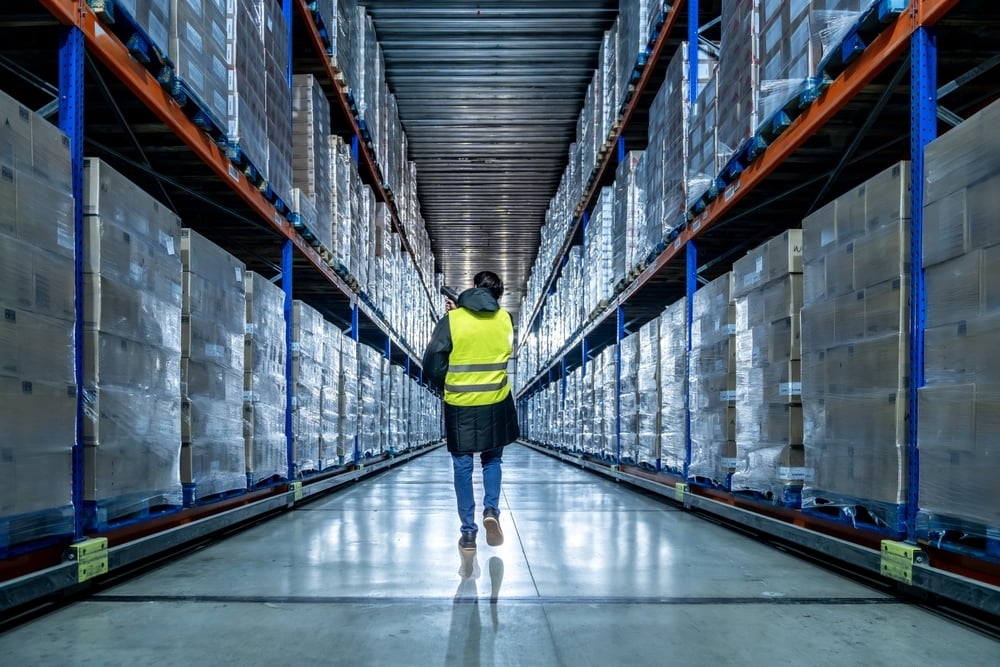
The cold chain is the continuous, temperature-controlled flow of goods across storage, handling, and transportation from origin to destination.
It is built on multiple interconnected components that must work together seamlessly, including:
- Product storage
- Pre-cooling
- Packaging requirements
- Refrigerated equipment
- Temperature monitoring
- Continuous chain-of-custody controls
Even minor deviations—like a short exposure to ambient temperatures—can compromise product integrity, shorten shelf life, trigger rejected loads, or result in total loss.
What Happens If the Cold Chain Is Broken?
- Product spoilage or loss of potency
- Rejected loads or recalls
- Regulatory violations
- Lost revenue and customer trust
Once the cold chain is broken, it usually can’t be repaired—only documented.
What Temperature Ranges Are Used in Cold Chain Logistics?
|
Category |
Temperature Range |
Common Use Cases |
|
Frozen |
-13°F to 5°F (-25°C to -15°C) |
Frozen foods, ice cream |
|
Refrigerated/Chilled |
35.6°F to 46.4°F (2°C to 8°C) |
Fresh foods, dairy products |
|
Controlled Room Temperature |
59°F to 77°F (15°C to 25°C) |
Certain industrial materials, chemicals |
What Are the Key Components of Cold Chain Logistics?
#1. Product Storage
Cold chain logistics begins with proper storage. Temperature-sensitive goods are housed in refrigerated warehouses, cold rooms, or controlled environments designed to maintain precise temperature and humidity levels.
Reliable storage ensures products enter transit in a stable state—already within their required temperature range—rather than trying to “recover” temperature later, which is risky and often ineffective.
#2. Pre-Cooling
Pre-cooling brings products and equipment down to the required temperature before loading begins.
For example:
- Produce may be rapidly cooled after harvest
- Refrigerated trailers must be pre-cooled before freight is loaded
- Packaging materials must be conditioned for the required range
Skipping or rushing pre-cooling creates immediate risk, even if the rest of the journey goes perfectly.
#3. Packaging Requirements
Packaging acts as the first line of defense against temperature fluctuations. The goal is to slow heat transfer during handling, loading, and short exposures—especially at handoffs.
Depending on the product, packaging may include:
- Insulated containers
- Gel packs or dry ice
- Thermal blankets or pallet covers
- Advanced materials like phase-change components
#4. Refrigerated Equipment
Refrigerated (reefer) equipment is the backbone of temperature-controlled freight movement. Equipment must be validated, properly maintained, and matched to the product’s specific temperature range.
This includes:
- Refrigerated trucks and trailers
- Temperature-controlled containers
- Specialized ground expedite vehicles for urgent shipments
#5. Temperature Monitoring
Cold chain logistics depends on continuous visibility. Real-time temperature monitoring and data logging allow shippers and logistics partners to:
- Verify compliance
- Identify deviations quickly
- Take corrective action before damage occurs
Without monitoring, you don’t have control—you just have hope.
#6. Chain-of-Custody Controls
Every handoff matters. Chain-of-custody controls ensure accountability across storage, handling, and transportation. Clear documentation and communication reduce risk and protect all parties involved.
What Are Cold Chain Logistics Services?
Cold chain logistics services are the specialized solutions that manage, protect, and move temperature-sensitive freight while maintaining strict temperature control throughout the supply chain.
These services span storage, packaging, monitoring, and—critically—transportation. S-2 operates as a trusted partner in the transportation segment of cold chain logistics, where risk is often highest and time sensitivity is greatest.
What Is S-2’s Role in Cold Chain Logistics?
S-2 supports shippers and freight forwarders by providing reliable, temperature-controlled freight solutions designed to maintain product stability during transit, especially when time and precision matter most.
Transportation is where cold chain plans are truly tested. Weather, delays, equipment issues, and capacity constraints can all threaten temperature stability.
What Are S-2’s Temperature-Controlled Transportation Solutions?
S-2 facilitates a range of cold chain transportation services, including:
- Refrigerated (reefer) truckload
- Temperature-controlled ground expedite solutions
- Time-critical, temperature-controlled freight
- Validated equipment sourcing
- Proactive shipment monitoring and communication
A key differentiator is S-2’s temperature-controlled ground expedite services, designed for urgent shipments that require a high level of care. When timelines are tight and temperature compliance is critical, expedited cold chain transportation helps prevent costly delays and product loss.
Which Goods Require Cold Chain Logistics Services?
Cold chain logistics services are commonly required for:
- Sensitive Industrial Materials: Temperature-sensitive compounds, resins, coatings, adhesives, and other industrial products that can degrade, separate, or become unstable if exposed to temperature fluctuations.
- Lab Supplies & Medical Devices: Diagnostic materials, testing supplies, medical devices, and related components that require controlled temperatures to preserve functionality, accuracy, and safety during transit.
- Food & Beverage: Fresh produce, seafood, dairy, frozen goods, and prepared foods that rely on consistent temperature control to maintain quality, freshness, and food safety.
- High-Value Perishables: Floral products, cosmetics, specialty foods, and premium goods where temperature deviations can quickly impact appearance, shelf life, or performance.
What Is the Value of Cold Chain Logistics Services?
Cold chain logistics services protect product integrity, ensure compliance, and reduce risk across the supply chain. Other benefits of cold chain logistics include:
- Regulatory Compliance: Some industries—including the food & beverage sector—are governed by strict temperature regulations. Cold chain logistics services help ensure compliance with standards set by organizations such as the Food and Drug Administration (FDA) and World Health Organization (WHO)—reducing exposure to fines, rejected loads, and recalls.
- Reduced Waste and Product Loss: Temperature excursions are a leading cause of spoilage and loss. Maintaining a continuous cold chain dramatically lowers waste, protects margins, and improves operational efficiency.
- Extended Shelf Life: Consistent temperature control preserves freshness, potency, and quality—giving products a longer usable life and greater market flexibility.
- Improved Quality and Safety: Cold chain logistics safeguards end-user safety and trust, such as preventing bacterial growth in food.
- Brand Protection: Every shipment represents your brand. Cold chain failures don’t just cost money; they damage reputations. Reliable cold chain logistics services help protect customer confidence and long-term relationships.
How to Preserve the Cold Chain: 4 Practical Tips
Preserving the cold chain requires end-to-end visibility, validated equipment, trusted partners, and proactive communication (without gaps or assumptions).
Here’s why this matters:
- End-to-End Visibility: Real-time tracking and temperature monitoring provide early warning when something isn’t right, allowing your team to intervene before damage occurs.
- Validated Equipment: Not all refrigerated equipment is equal. Using properly maintained, temperature-validated equipment is essential for compliance and reliability.
- Trusted Partners: Cold chain transportation depends on carriers who understand temperature-controlled freight, follow protocols, and respond quickly when conditions change.
- Proactive Communication: Silence is risk. Proactive updates, clear escalation paths, and fast decision-making keep the cold chain intact—even when conditions are unpredictable.
A Care-Centered Approach to Cold Chain Logistics Services
At S-2, we understand what’s at stake with temperature-controlled freight. These shipments carry more than cargo—they carry responsibility. That’s why we approach cold chain logistics services with the same care we’d give our own shipments.
Our experienced logistics specialists bring deep Freight IQ to every move, carefully evaluating timing, routing, equipment, and risk to find the safest, most effective solution for your product. Along the way, we prioritize transparency, communication, and accountability—so you’re never left guessing.
Whether you’re navigating routine temperature-controlled freight or a high-pressure, time-critical shipment, S-2 is here to help protect what matters most. Get in touch with us to request a quote or ask questions.